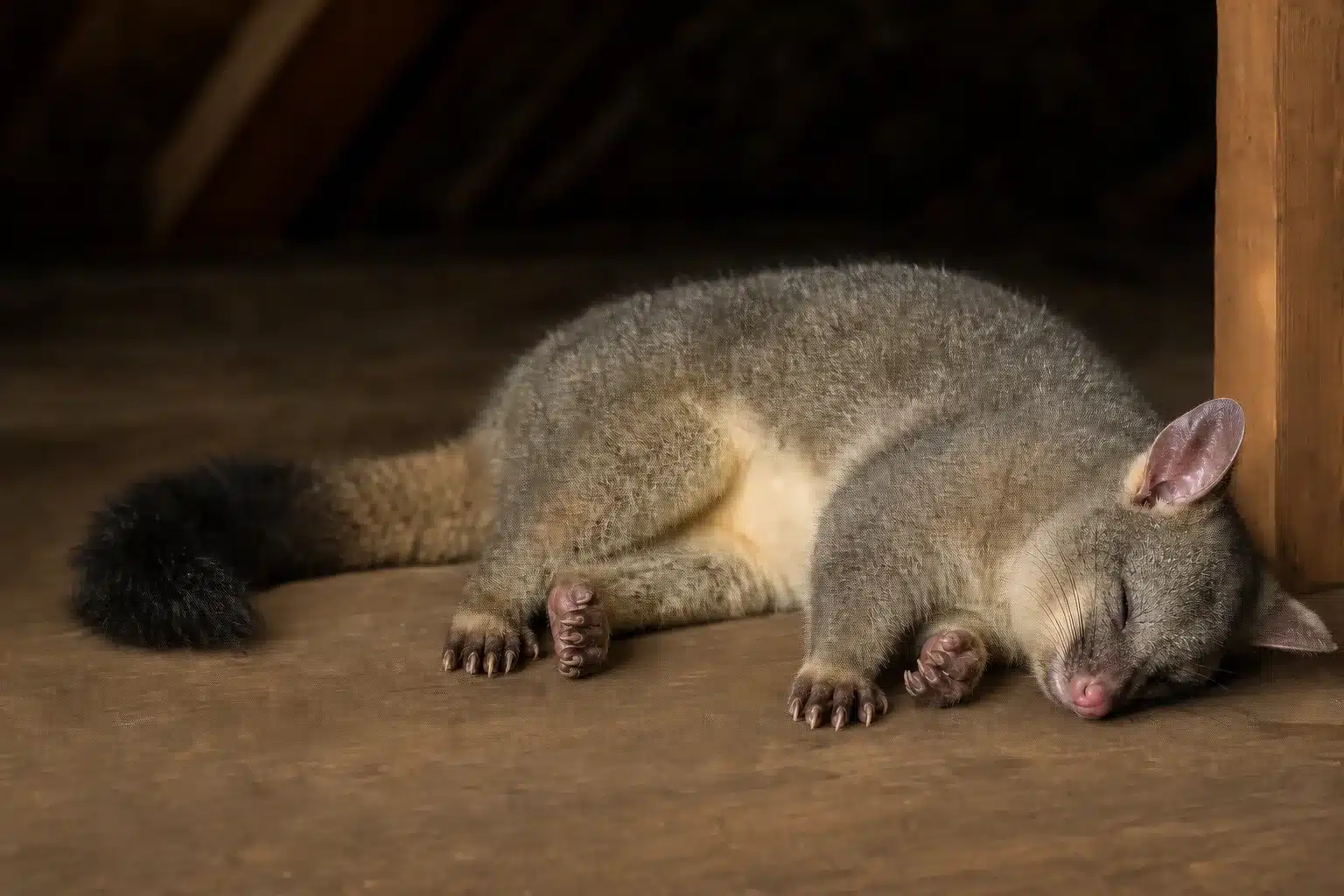
Dead Animal Removal Noble Park 3174
Professional carcass location, hygienic removal and source-area treatment for roofs, walls and subfloors across Noble Park.
 4.9 Martin Pest Control Melbourne · 200+ Google reviews
Remove the source of the smell, not just the odour
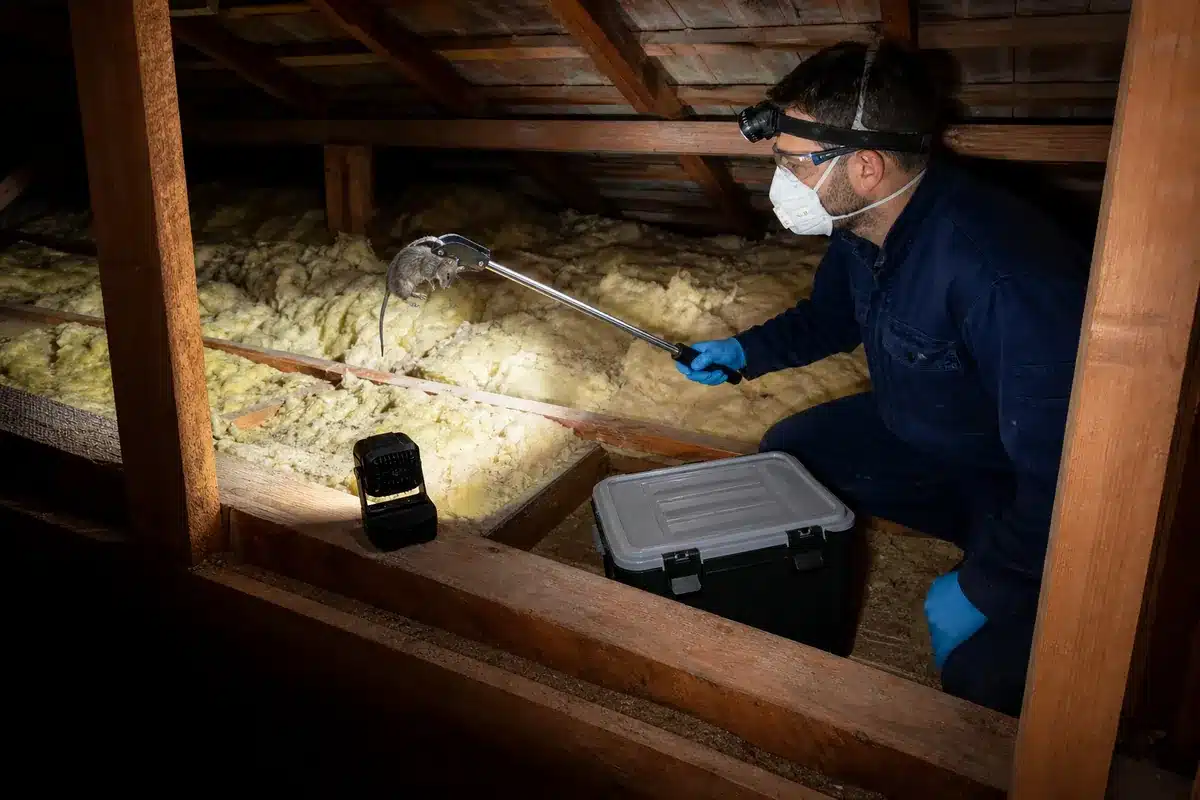
Martin Pest Control offers dead animal removal in Noble Park 3174. Your licensed technician follows the strongest odour, insect activity and accessible cavity routes to locate a carcass in a roof, wall area, subfloor or outdoor structure. The animal is handled with suitable PPE and professional containment equipment. Source-access decisions also consider tile junctions.
After the likely location and access are checked, you receive a fixed service quote for the agreed removal and source-area work. If another trade is needed to create safe access, that is explained before any extra work is arranged. Source tracing also considers tile junctions.
What should you do when a dead animal smell appears?
Close the affected room if the odour is strong, keep children and pets away from insects or residue, and avoid cutting ceilings or walls at random. Record where the smell is strongest and whether it changes near vents or during warmer parts of the day. Source tracing also considers tile junctions.
Real possum and roof-pest work from our team
These are genuine Martin Pest Control field videos, including possum exclusion and roof-access work. The team handles possums, rats, mice and other pest issues, and the footage shows the careful access and proofing approach used across roof-based jobs. Videos load only when played. Source tracing also considers tile junctions.
A Melbourne service people already know
4.9 200+ Google reviewsClear information before work
Check Martin Pest Control’s current public feedback on Google before booking. The technician on site explains the proposed scope and defined price for the agreed work before agreed work starts. Source tracing also considers tile junctions.
Three details that help locate a carcass in Noble Park
Source tracing works best when several observations agree. A smell by itself can travel, while an odour combined with recent scratching and a concentrated insect route gives the inspecting technician a better starting point. Source tracing also considers tile junctions.
The smell changes through the day
Heat can intensify decomposition odour in a roof or wall, making the affected zone easier to compare at different times. Source tracing also considers tile junctions.
Small stains or residue appear
A ceiling mark or residue should be left undisturbed and reported. It may help identify the source area and contamination risk. Source tracing also considers tile junctions.
Scratching has gone quiet
If regular animal movement stopped before the smell began, tell the inspecting technician the last place and time it was heard. Source tracing also considers tile junctions.
Why local building details change the service plan
A dead-animal call in Noble Park can involve older brick-veneer houses, renovated family homes, units and newer townhouses. Odour can travel through insulation, wall spaces, heating ducts and roof junctions, so the strongest smell inside a room is only a starting point. mature street trees, established back gardens and busy rail and shopping areas also means the animal may be a rat, mouse, bird or possum rather than the species first assumed. Source-access decisions also consider tile junctions.
Common search areas include tile junctions, low eaves, extensions, shared townhouse roof edges and service penetrations. Access is assessed before insulation is moved or a building surface is opened. If the carcass cannot be reached safely through an existing manhole, roof opening or subfloor entrance, the inspecting technician explains whether a roofer, carpenter or another trade is needed. Source tracing also considers tile junctions.
Mixed property layouts
The plan must suit older brick-veneer houses, renovated family homes, units and newer townhouses, not a generic floor plan. Source tracing also considers tile junctions.
Likely access zones
Inspection focuses on tile junctions, low eaves, extensions, shared townhouse roof edges and service penetrations.
Residential and commercial
shops near the activity centre, small warehouses, community facilities and rental properties can need different access, reporting and treatment arrangements. Source tracing also considers tile junctions.
Noble Park has many rentals and multi-unit properties, so access permission and responsibility for structural repairs may involve an owner, property manager or owners corporation. Source-access decisions also consider tile junctions.
Locate, contain and treat the affected area
Odour can move further than the carcass itself, so the search should follow building cavities and insect routes. A professional inspection balances thoroughness with the need to avoid unsafe or destructive access. Source tracing also considers tile junctions.
Pinpoint the best starting zone
The technician on site compares smell intensity at different rooms, times and openings instead of trusting one first impression. Source tracing also considers tile junctions.
Check cavity limitations
Roof height, fragile materials, wiring, insulation and subfloor clearance are reviewed before entering.
Look for confirming evidence
Flies, staining, disturbed insulation and recent animal paths help narrow the final location.
Explain what is reachable
If the source can be accessed safely, the removal quote is confirmed. Otherwise, an appropriate trade may be recommended. Source tracing also considers tile junctions.
Remove without spreading residue
The carcass is lifted using suitable equipment, placed in rigid containment and taken away from the premises.
Finish with practical advice
The customer is shown the source area where possible and receives guidance on odour, flies, insulation and future entry risks. Source tracing also considers tile junctions.
What can be removed, cleaned and treated?
A reachable carcass may be removed from a roof void, open wall edge, subfloor, garage, shed or accessible outdoor area. The technician on site uses professional PPE and containment, then addresses visible residue in the immediate source area where access allows. An odour treatment can help with remaining smell, but it cannot replace physical removal when the carcass is reachable. Source tracing also considers tile junctions.
- Roof voids reached through a safe manhole or suitable roof access
- Accessible subfloors, garages, sheds and external cavities
- Professional carcass containment and removal from the local property
- Source-area treatment where the affected surface can be reached
- Advice about insects, contaminated insulation and identified entry areas
- Clear referral if building access needs another qualified trade
Why random cutting is a poor first step
Odour travels. Cutting the ceiling directly below the strongest smell can miss the carcass and create unnecessary repair work. Inspection should use existing access and evidence first. If an opening is genuinely needed, the right trade and repair responsibility can then be agreed. Source tracing also considers tile junctions.
Price depends on location, access and contamination
There is no honest single price before the source is assessed. A small rat beside an accessible manhole is different from a possum behind insulation, a carcass below a low subfloor or an animal inside a sealed wall cavity. The inspection lets the inspecting technician explain the reachable area and the scope before work begins. Source tracing also considers tile junctions.
Access
Roof pitch, cavity height, manhole position and electrical or structural hazards affect what can be reached safely.
Animal and location
Size, decomposition stage and whether the carcass is in insulation, a wall edge or open space change the handling work. Source tracing also considers tile junctions.
Source-area condition
Residue, insects, damaged insulation and the need for another trade can change the final scope.
Record the odour pattern without disturbing the cavity
Write down when the smell began, the rooms affected and whether it is stronger near a light fitting, air vent, cupboard, manhole or exterior wall. Note recent scratching, baiting, bird activity or roof work. This history helps the inspecting technician decide where to start and whether the likely animal is small or large. Source tracing also considers tile junctions.
- Keep children and pets away from flies, residue or remains
- Do not handle a carcass or contaminated insulation bare-handed
- Avoid dry sweeping droppings or spraying into electrical fittings
- Clear safe access to the manhole, garage or subfloor entrance
- Tell the inspecting technician about asbestos, fragile ceilings or wiring
- Ventilate only where it does not spread odour through the home
A room deodoriser may make the space more tolerable for a short time, but strong fragrance can also make source tracing harder. If possible, stop using masking products before the service inspection and explain what has already been applied. Source tracing also considers tile junctions.
Removal is the priority, but odour can take time to settle
Once an accessible carcass and visible residue are removed, the source is no longer decomposing inside the local property. Some smell can remain in porous insulation, timber or plaster, particularly after a larger animal or a long delay. Temperature and ventilation also affect how quickly the remaining odour reduces. A professional service should explain this instead of promising that every smell will disappear immediately. Source tracing also considers tile junctions.
Secondary flies may continue to emerge briefly if pupae are already hidden in a cavity. Accessible insect activity can be assessed, while widespread contamination or damaged insulation may require a separate cleaning or building scope. The technician on site can show what was reachable and what remains concealed. Source tracing also considers tile junctions.
In a Noble Park rental, occupants should report the issue promptly and keep a written record. The owner or manager normally decides on structural access, insulation replacement or roof repairs. At a business, access may also need to be coordinated around customers, food areas, stock and workplace safety. A clear inspection summary helps the responsible person make that decision. Source-access decisions also consider tile junctions.
Dead Animal Removal questions from Noble Park customers
Will odour treatment remove the smell without removing the animal?
It may reduce residual odour, but physical removal is preferable when the carcass can be reached. Masking products alone do not remove the source. Source tracing also considers tile junctions.
What animals are commonly found?
Roof rats, mice, birds and possums are common possibilities. The actual species should be confirmed from the carcass or evidence rather than guessed from smell alone. Source tracing also considers tile junctions.
Should I clean flies or residue myself?
Keep children and pets away and avoid dry sweeping or handling remains with bare hands. Tell the inspecting technician where flies, staining or residue are visible. Source tracing also considers tile junctions.
What happens at the service inspection?
The technician on site explains access, the removal scope and any separate trade requirement before work. Source tracing also considers tile junctions.
How do I arrange removal?
Call 0435 073 966 or send the inline form near the top. You can also read the Melbourne dead animal removal overview. Source tracing also considers tile junctions.
Arrange dead animal removal in Noble Park 3174
Tell us what you have noticed and where it is happening. Martin Pest Control will arrange an inspection, explain the suitable next step and provide a clear quote before agreed work begins. Source tracing also considers tile junctions.