Dead Animal Removal Dandenong North 3175
Professional carcass location, hygienic removal and source-area treatment for roofs, walls and subfloors across Dandenong North.
 4.9 Martin Pest Control Melbourne · 200+ Google reviews
Remove the source of the smell, not just the odour
Martin Pest Control can arrange dead animal removal in Dandenong North 3175. A licensed pest technician follows the strongest odour, insect activity and accessible cavity routes to locate a carcass in a roof, wall area, subfloor or outdoor structure. The animal is handled with suitable PPE and professional containment equipment. Source-access decisions also consider tiled valleys.
The on-site assessment and call-out are free. After the likely location and access are checked, you receive a clear quotation for the agreed removal and source-area work. If another trade is needed to create safe access, that is explained before any extra work is arranged. Source tracing also considers tiled valleys.
What should you do when a dead animal smell appears?
Close the affected room if the odour is strong, keep children and pets away from insects or residue, and avoid cutting ceilings or walls at random. Record where the smell is strongest and whether it changes near vents or during warmer parts of the day. Source tracing also considers tiled valleys.
Real possum and roof-pest work from our team
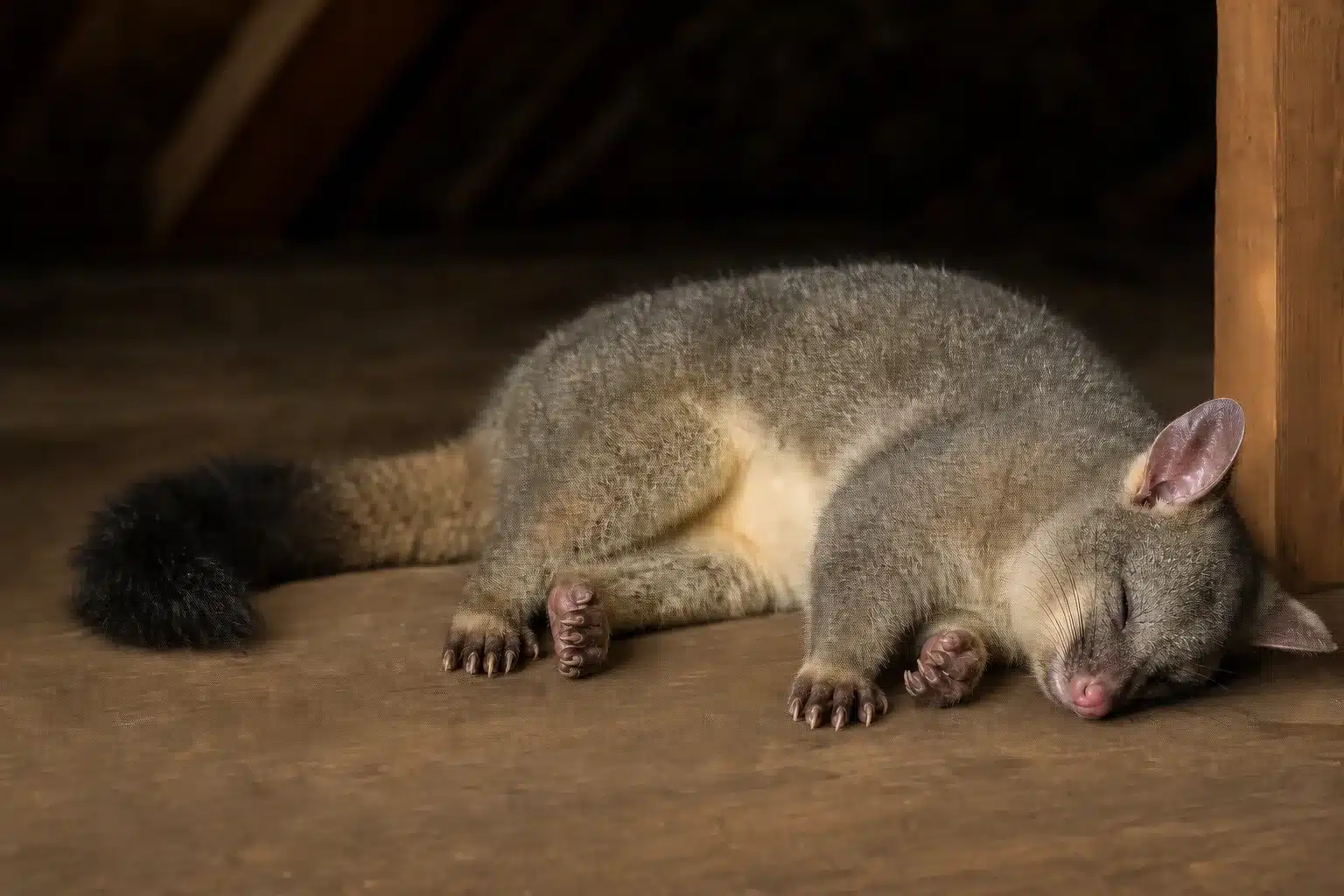
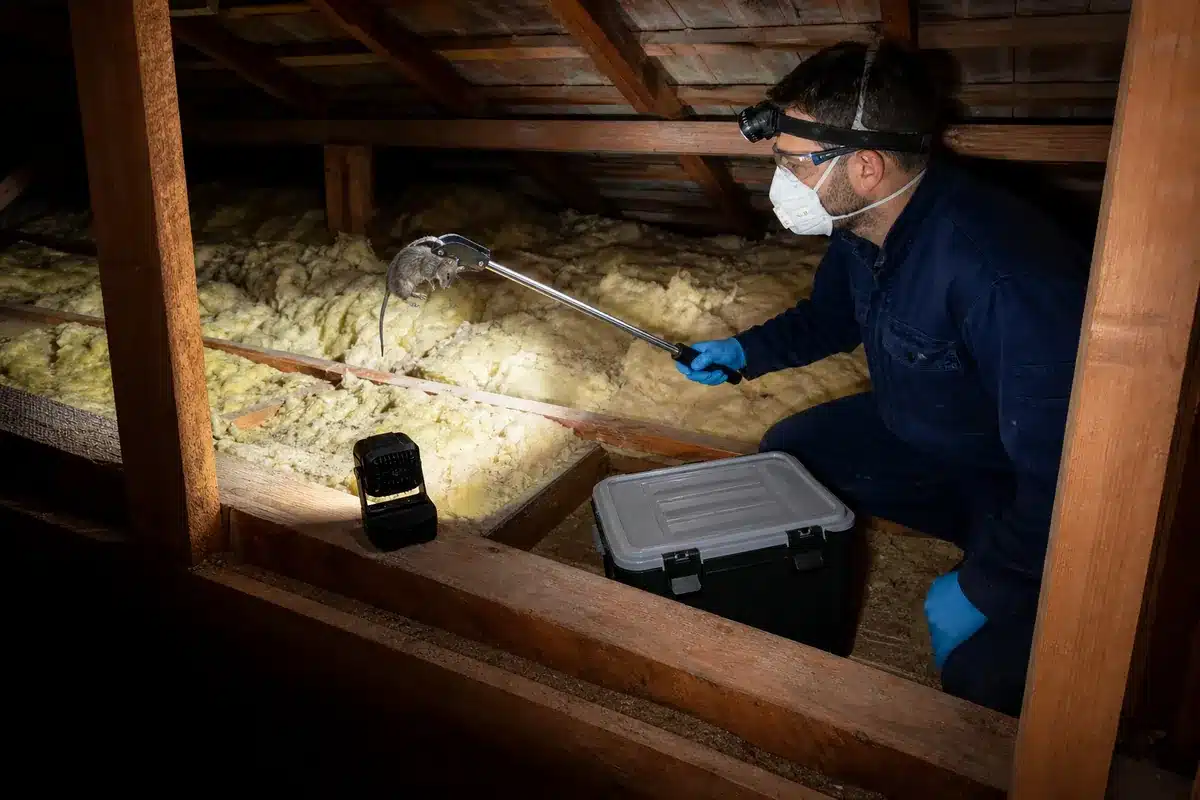
These clips come from Martin Pest Control field jobs and include clearly identified possum work. They are useful examples of how the team approaches roof access while working with possums, rats, mice and other pests; the stills provide service-specific visual context. Source tracing also considers tiled valleys.
A Melbourne service people already know
4.9 200+ Google reviewsClear information before work
Check Martin Pest Control’s current public feedback on Google before booking. Your pest technician explains the proposed scope and fixed service quote before agreed work starts. Source tracing also considers tiled valleys.
Signs a dead animal may be hidden in your Dandenong North property
A carcass odour often starts in one room and becomes stronger as the day warms. The source may be in a roof void, wall edge, subfloor, garage or outdoor structure rather than directly above the smell. Source tracing also considers tiled valleys.
A new, persistent odour
The smell may be sweet, rotten or unusually heavy. It often concentrates near a ceiling edge, downlight, vent or closed cupboard. Source tracing also considers tiled valleys.
Flies around one area
Blowflies at a window, ceiling fitting or roof edge can help narrow the source. Do not spray blindly into electrical fittings. Source tracing also considers tiled valleys.
Noise that suddenly stopped
Recent scratching followed by silence and then odour can suggest an animal has died, but inspection is needed to confirm it. Source tracing also considers tiled valleys.
Why local building details change the service plan
A dead-animal call in Dandenong North can involve 1960s to 1980s brick-veneer homes, renovated houses, units and properties on sloping blocks. Odour can travel through insulation, wall spaces, heating ducts and roof junctions, so the strongest smell inside a room is only a starting point. mature trees, school grounds, reserves and established gardens adjoining residential roofs also means the animal may be a rat, mouse, bird or possum rather than the species first assumed. Source-access decisions also consider tiled valleys.
Common search areas include tiled valleys, low rear extensions, subfloors on slopes, older vents and gaps where additions meet the original roof. Access is assessed before insulation is moved or a building surface is opened. If the carcass cannot be reached safely through an existing manhole, roof opening or subfloor entrance, the technician on site explains whether a roofer, carpenter or another trade is needed. Source tracing also considers tiled valleys.
Mixed property layouts
The plan must suit 1960s to 1980s brick-veneer homes, renovated houses, units and properties on sloping blocks, not a generic floor plan. Source tracing also considers tiled valleys.
Likely access zones
Inspection focuses on tiled valleys, low rear extensions, subfloors on slopes, older vents and gaps where additions meet the original roof. Source tracing also considers tiled valleys.
Residential and commercial
local shops, medical rooms, schools and small businesses along main-road corridors can need different access, reporting and treatment arrangements. Source tracing also considers tiled valleys.
In a Dandenong North rental, occupants can record the affected room, time and type of activity. Structural proofing still needs the owner or manager to approve the quoted scope. Source-access decisions also consider tiled valleys.
From first odour check to hygienic removal
A controlled search reduces unnecessary disturbance to insulation and finished surfaces. Your pest technician works from the strongest evidence towards the cavity, then confirms how the carcass can be reached safely. Source tracing also considers tiled valleys.
Collect the recent history
Changes in smell, earlier animal noise, fly activity and any baiting help establish the likely time and source zone. Source tracing also considers tiled valleys.
Compare rooms and air paths
Ceiling edges, vents, cupboards and doors are checked to understand how odour is moving through the building.
Use existing access first
A manhole, removable roof tile, garage void or subfloor entrance is preferred to random cutting.
Set a clear removal scope
Your pest technician explains the reachable area, quote and any access work that belongs to a different trade. Source tracing also considers tiled valleys.
Handle the carcass professionally
PPE, long-reach tools and rigid containment limit direct contact and help keep residue away from occupied rooms.
Address the immediate source
Reachable residue, insects and affected material are assessed before prevention and ventilation advice is provided.
What can be removed, cleaned and treated?
A reachable carcass may be removed from a roof void, open wall edge, subfloor, garage, shed or accessible outdoor area. Your pest technician uses professional PPE and containment, then addresses visible residue in the immediate source area where access allows. An odour treatment can help with remaining smell, but it cannot replace physical removal when the carcass is reachable. Source tracing also considers tiled valleys.
- Roof voids reached through a safe manhole or suitable roof access
- Accessible subfloors, garages, sheds and external cavities
- Professional carcass containment and removal from the affected premises
- Source-area treatment where the affected surface can be reached
- Advice about insects, contaminated insulation and structural access gaps
- Clear referral if building access needs another qualified trade
Why random cutting is a poor first step
Odour travels. Cutting the ceiling directly below the strongest smell can miss the carcass and create unnecessary repair work. Inspection should use existing access and evidence first. If an opening is genuinely needed, the right trade and repair responsibility can then be agreed. Source tracing also considers tiled valleys.
Price depends on location, access and contamination
There is no honest single price before the source is assessed. A small rat beside an accessible manhole is different from a possum behind insulation, a carcass below a low subfloor or an animal inside a sealed wall cavity. The inspection lets the technician on site explain the reachable area and the scope before work begins. Source tracing also considers tiled valleys.
Access
Roof pitch, cavity height, manhole position and electrical or structural hazards affect what can be reached safely.
Animal and location
Size, decomposition stage and whether the carcass is in insulation, a wall edge or open space change the handling work. Source tracing also considers tiled valleys.
Source-area condition
Residue, insects, damaged insulation and the need for another trade can change the final scope.
What to note before a dead-animal inspection
Walk through the affected premises and compare rooms without opening electrical fittings or disturbing insulation. Write down the strongest location, whether the smell rises with daytime heat, and any place where flies collect. Recent scratching, a bait treatment or a bird entering the roof can help establish the likely animal. Source tracing also considers tiled valleys.
Limit strong perfumes and deodorising sprays before the visit. They may make the room more comfortable briefly, but they can hide the direction of the original odour. If products were already used, tell the technician on site where and when. Source tracing also considers tiled valleys.
- Close the affected room if the odour is difficult to tolerate
- Keep pets away from flies, stains and accessible remains
- Do not vacuum or dry sweep unknown animal residue
- Clear safe access around the manhole or subfloor entry
- Identify fragile ceilings, asbestos or restricted roof areas
- Arrange building approval before any finished surface is opened
Residual odour and flies need realistic expectations
Physical removal stops the carcass from continuing to decompose inside the building, but porous insulation, timber or plaster may hold some smell. A source-area treatment can help where the affected surface is reachable. Warm weather, the animal’s size and the time before removal all influence how quickly the remaining odour settles. Source tracing also considers tiled valleys.
Blowfly pupae can remain hidden after the carcass is gone, so a small number of flies may still emerge. Your pest technician can assess visible activity and explain whether further insect treatment or cleaning is appropriate. Large contaminated areas or insulation replacement may be a separate specialist scope. Source tracing also considers tiled valleys.
For a Dandenong North rental or managed site, keep the evidence-led inspection summary and photographs where available. They can show the owner or facilities manager what was removed, which surfaces were reached and whether roof, wall or access repairs should follow. Source-access decisions also consider tiled valleys.
Dead Animal Removal questions from Dandenong North customers
How do I arrange removal?
Call 0435 073 966 or send the inline form near the top. You can also read the Melbourne dead animal removal overview. Source tracing also considers tiled valleys.
Can you find a dead animal in a Dandenong North roof or wall?
Your pest technician follows odour, insect and cavity evidence through safe access points. A carcass in a completely sealed wall may require an appropriate building trade to create and repair access. Source tracing also considers tiled valleys.
Will odour treatment remove the smell without removing the animal?
It may reduce residual odour, but physical removal is preferable when the carcass can be reached. Masking products alone do not remove the source. Source tracing also considers tiled valleys.
What animals are commonly found?
Roof rats, mice, birds and possums are common possibilities. The actual species should be confirmed from the carcass or evidence rather than guessed from smell alone. Source tracing also considers tiled valleys.
What happens at the evidence-led inspection?
Your pest technician explains access, the removal scope and any separate trade requirement before work. Source tracing also considers tiled valleys.
Arrange dead animal removal in Dandenong North 3175
Tell us what you have noticed and where it is happening. Martin Pest Control will arrange an inspection, explain the suitable next step and provide a clear quote before agreed work begins. Source tracing also considers tiled valleys.