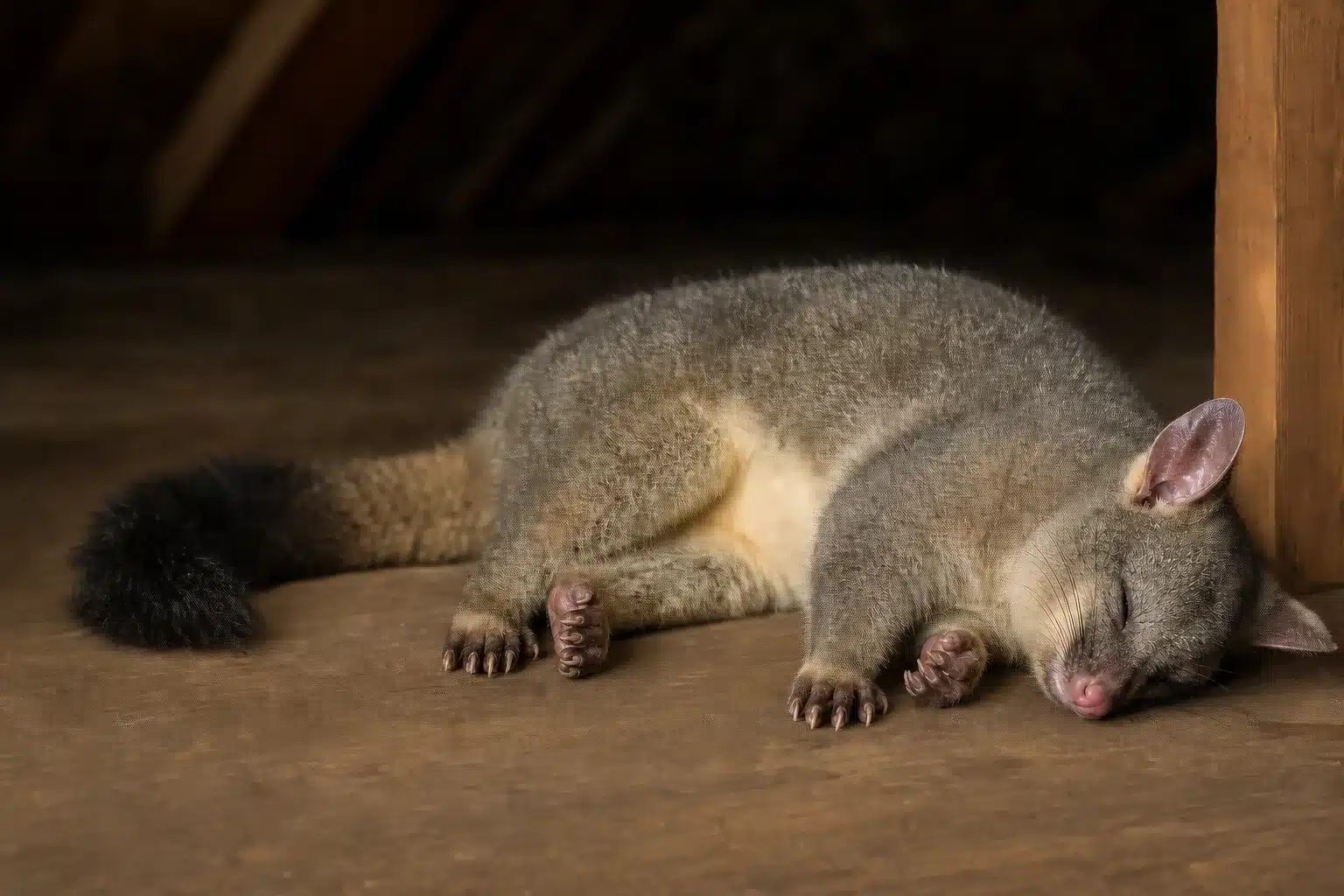
Dead Animal Removal Mount Waverley 3149
Brick family homes, big roof spaces and leafy reserves mean rats and possums are never far away. We find the source of the smell and remove it properly.
 4.9 Martin Pest Control Melbourne · 200+ Google reviews
Get the animal out, not just the smell
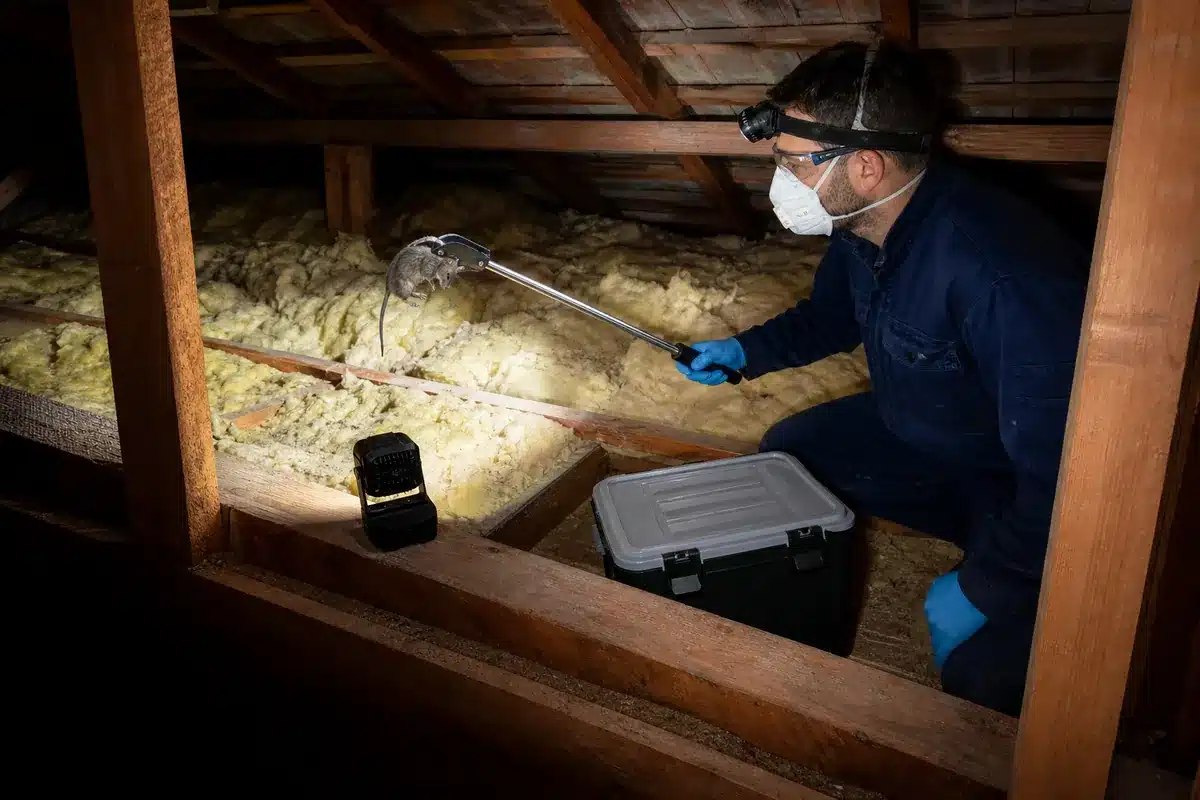
Dead animal removal in Mount Waverley 3149 is mostly roof space work. The typical 1960s and 1970s brick home here has a wide, low pitched roof with deep insulation, and a rat or possum can die far from the manhole. Our technician follows the odour and fly activity to the spot, then removes the carcass in sealed containment with full PPE.
A written quote is provided once the location and access are confirmed, before agreed work starts.
Can I find it myself in the roof?
Roof spaces have wiring, fragile ceilings and deep insulation, and carcasses carry germs. If you do look, step only on joists, wear a mask and gloves, and do not handle the animal.
What does dead animal removal in Mount Waverley involve?
Dead animal removal in Mount Waverley involves tracing the odour through the roof space, walls and subfloor, confirming the carcass location, and removing it with protective equipment and sealed containment. The technician then treats the reachable source area and explains how the animal got in. A written quote is given before any work.
Mount Waverley is a suburb of solid brick family homes, many built in the 1960s and 1970s on generous blocks, with newer townhouses filling in subdivided lots. Reserves like Valley Reserve and the Scotchmans Creek trail, plus mature street trees, keep possums and rats close to houses. Most dead animal removal Mount Waverley requests come from a sudden smell in a bedroom ceiling or a hallway after a rat or possum has died in the roof.
Waiting usually makes it worse. Within days, flies and maggots can appear and the smell spreads through the insulation.
Where animals usually die in Mount Waverley homes
- Roof spaces of brick veneer homes, often near the eaves where the roof is lowest and hardest to reach.
- Above a garage or carport joined to the house, a common way in for rats.
- Wall cavities behind the kitchen, especially after rat bait has been used.
- Under decks and pergolas in the backyard.
- Townhouse ceiling spaces that connect over shared walls.
Dead animal removal in Ashwood, Wheelers Hill and Syndal
Ashwood sits beside Gardiners Creek and has many post war homes with timber floors, where carcasses often end up in the subfloor. Wheelers Hill has larger split level homes from the 1970s and 1980s with complicated roof lines and several roof spaces. Syndal, around the station, mixes older brick homes with units. Glen Waverley and Burwood, on either side, see similar jobs. Wherever you are, the method is the same: follow the evidence, use existing access, and avoid cutting into ceilings.
Real possum and roof-pest work from our team
Possums are visible in some of these genuine Martin Pest Control videos, and we label that honestly. The team works across possum, rat, mouse and other roof-pest issues; the footage shows practical access methods rather than pretending every clip concerns the same animal.
Step by step removal
- Questions first. When the smell started, which rooms, any recent scratching or bait.
- Safe access check. Manhole, roof space, subfloor, garage and outside walls.
- Locate. A torch, camera and fly activity guide the search.
- Written quote. Once location and access are clear.
- Remove. PPE, long tools and rigid containment.
- Treat and explain. Source area treatment and advice on the entry point.
See our dead animal removal Melbourne service for more detail.
Dead rat smell in Mount Waverley
Rats are behind many of the smells we trace in this area. They live in gardens, compost and sheds, then move into roofs as the weather cools. When bait is laid, a rat may crawl back into a wall or ceiling before it dies. The smell from one rat is smaller than a possum but can still fill a room for a couple of weeks. To stop it happening again, the rats need to be treated and the entry points sealed. Our rat removal page explains how.
What decides the price
Each job is priced after the source and access are known. The main factors are how far the animal is from the manhole or subfloor hatch, the size and state of the animal, how much residue and insulation needs attention, and whether another trade is needed to open a surface. You get the scope and price in writing first.
Before your appointment
- Close the affected room and keep pets out.
- Do not spray strong deodorisers. They make the source harder to trace.
- Clear stored items from around the manhole and subfloor access.
- Note any place where flies collect.
- Do not sweep or vacuum unknown residue.
Dead animal removal questions from Mount Waverley customers
What is the most common dead animal in Mount Waverley roofs?
Rats are the most common, then possums and birds. The species is confirmed once the carcass or evidence is found.
How do you reach the far corner of a low roof?
We use the manhole and safe walking paths on the joists, plus long handled tools and a camera. If the corner cannot be reached safely, we explain the options.
Will the smell come back after removal?
The main source is gone once the carcass is out. A little odour may linger in insulation or timber for a few days.
Do you cover Wheelers Hill and Ashwood?
Yes, along with Syndal, Glen Waverley and Burwood.
Can you remove a dead possum from under a deck?
Yes, where there is safe access under the deck. Low decks may need a board lifted, which we discuss with you first.
Should I call if I only smell it faintly?
Yes. A faint smell is the easiest stage to deal with, before flies and residue build up.
Updated 6 October 2026
A Melbourne service people already know
4.9 200+ Google reviewsClear information before work
Check Martin Pest Control’s current public feedback on Google before booking. The pest professional explains the proposed scope and firm quote for the agreed scope before agreed work starts.
Arrange dead animal removal in Mount Waverley 3149
Tell us what you have noticed and where it is happening. Martin Pest Control will arrange an inspection, explain the suitable next step and provide a clear quote before agreed work begins.