Dead Animal Removal St Kilda 3182
Terraces, art deco flats and busy shopfronts all hide animals in odd places. We trace the smell, remove the carcass safely and treat the source area.
 4.9 Martin Pest Control Melbourne · 200+ Google reviews
Find the smell, remove the cause
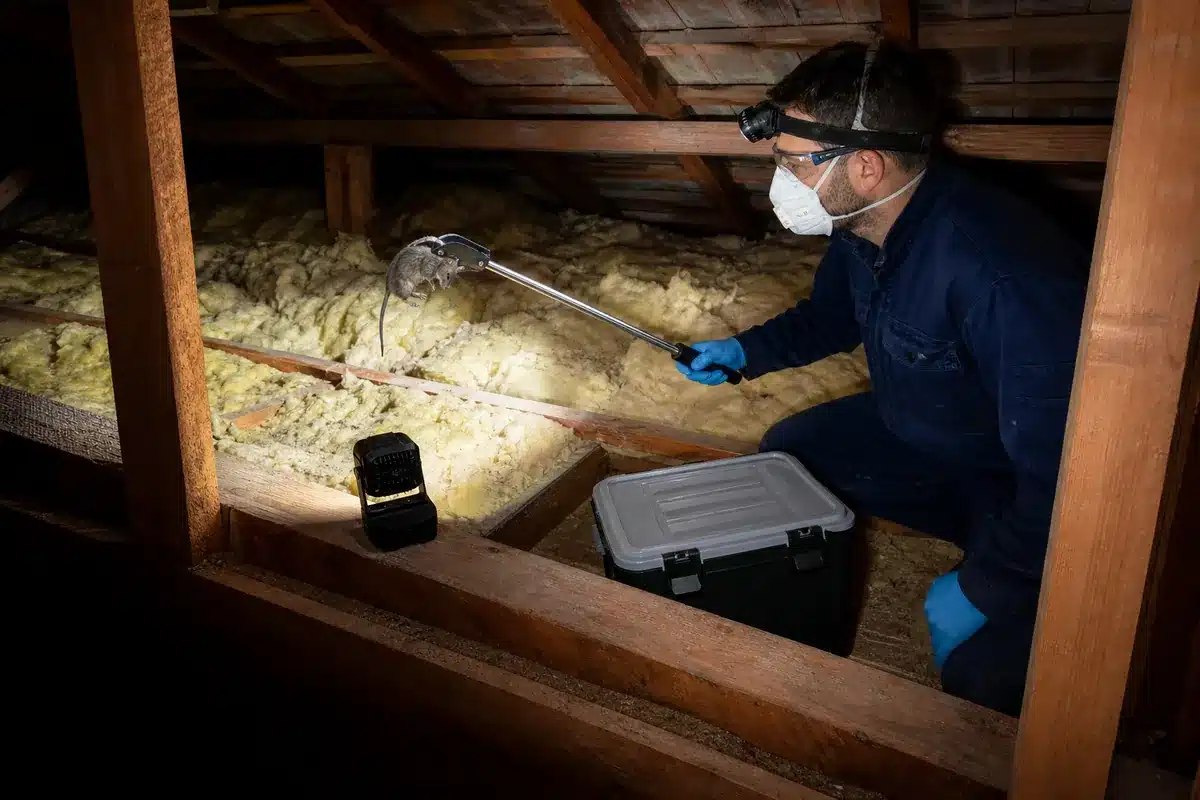
Dead animal removal in St Kilda 3182 starts with finding the real source. In a terrace or an old block of flats, the smell can travel along a shared roof or down a wall cavity before it reaches your room. Our technician follows the odour, the flies and the access points to find the carcass, then removes it with PPE and sealed containment.
Once the location and access are clear, you get a written quote for the removal and the source area treatment before any work goes ahead.
Smell in a St Kilda flat? What to do first
Shut the room, keep pets out and do not cut into the ceiling. Note where the smell is strongest, what time of day it peaks and whether flies are gathering at a window or light.
How does dead animal removal in St Kilda work?
Dead animal removal in St Kilda starts with tracing the smell through the roof, walls and subfloor to find the carcass. The technician removes it with PPE and sealed containment, treats the source area for odour and residue, and explains how the animal got in. You get a written quote before any work begins.
A dead animal smell in a St Kilda home usually arrives without warning. One morning a bedroom or hallway smells sweet and rotten, and a day later there are blowflies at the window. Most calls for dead animal removal St Kilda residents make involve rats, possums or birds that have died in a roof space, wall cavity or under a timber floor.
St Kilda is a dense suburb. Victorian terraces share roof spaces, art deco flats have lightwells and old service ducts, and the foreshore, parks and busy food strip all support plenty of wildlife and rodents. That mix shapes where we look and how we reach the carcass.
Why dead animal smells are common in St Kilda
- Rats near food and the foreshore. Restaurants, cafes and bins around Acland Street and Fitzroy Street feed a large rat population, which often nests in nearby roofs.
- Possums in old trees. Plane trees, palms and the big trees around Catani Gardens and the Botanical Gardens give possums easy access to terrace roofs.
- Birds in flats. Pigeons and mynas nest in roof gaps, gutters and lightwells of older apartment blocks.
- Bait used next door. In connected buildings, a rat baited in one home can die in the wall of the next.
St Kilda building types and where carcasses end up
Each building type has its usual hiding places:
- Victorian and Edwardian terraces: shared roof spaces above party walls, the gap above a bay window and the subfloor under timber floors.
- Art deco and 1960s walk up flats: ceiling spaces above the top floor, service ducts, and the gap behind kitchen cupboards.
- Shops with flats above: the void between the shop ceiling and the flat floor, and rear storerooms.
- Newer apartments: balcony planter boxes, plant rooms and car park ceilings.
Odour moves through insulation and cavities, so the spot where the smell is worst is a starting clue, not always the exact location.
Real possum and roof-pest work from our team
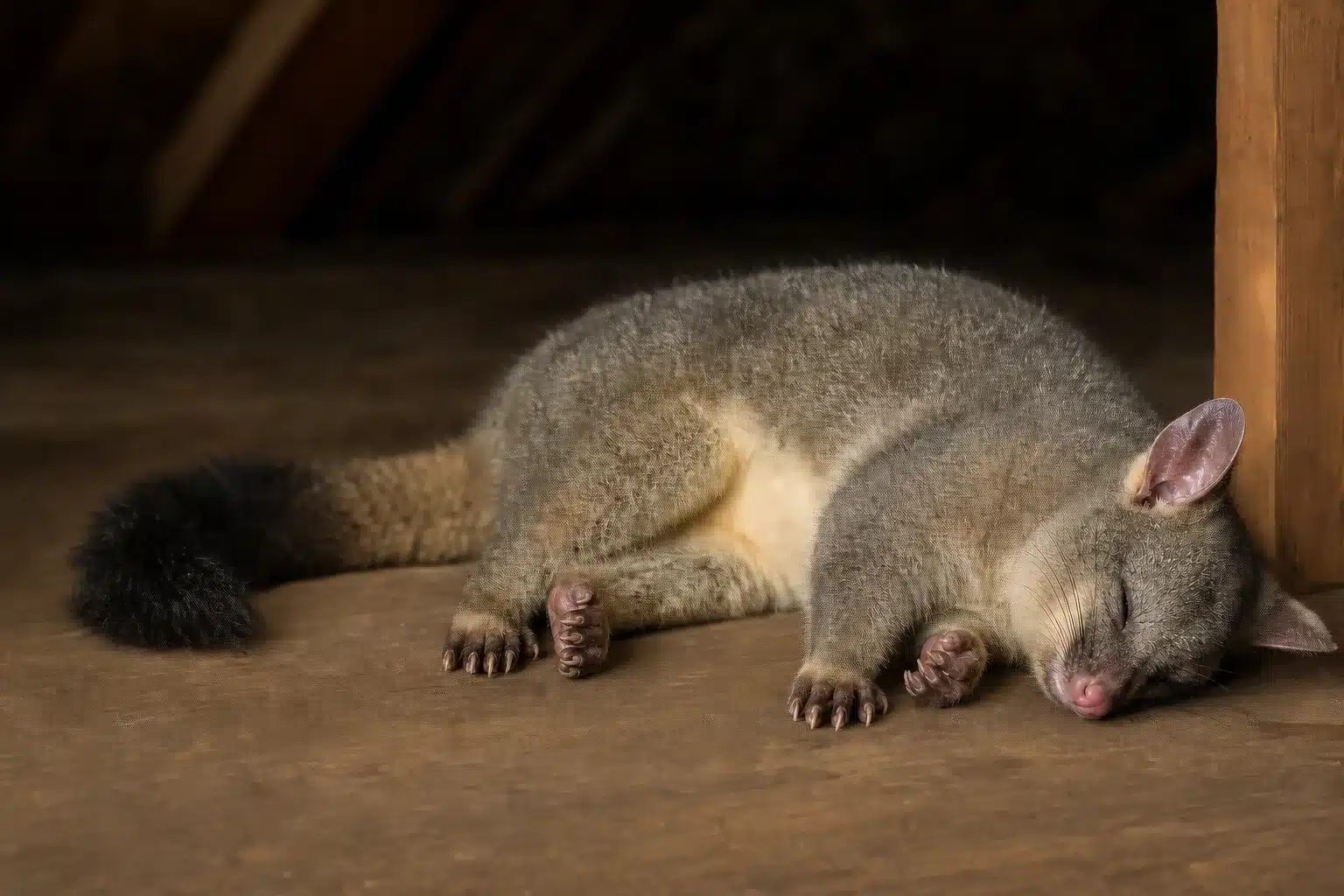
Possums are visible in some of these genuine Martin Pest Control videos, and we label that honestly. The team works across possum, rat, mouse and other roof-pest issues; the footage shows practical access methods rather than pretending every clip concerns the same animal.
Our dead animal removal process
- Ask and listen. When did the smell start, where is it strongest, and does it change with heat or when doors are shut?
- Check safe access. Manhole, roof space, subfloor, cupboards and outside walls.
- Narrow it down. A torch, an inspection camera, fly activity and stains on insulation help find the source without cutting at random.
- Quote. Once the source and access are clear, you get a written quote.
- Remove and contain. The carcass is lifted out with PPE, long handled tools and rigid containment.
- Treat and advise. The reachable source area is treated, and you are shown how the animal likely got in.
More detail is on our dead animal removal Melbourne page.
Dead animal removal in Port Melbourne, Albert Park and St Kilda East
We also work through the neighbouring suburbs. Port Melbourne has a mix of workers cottages and newer townhouses near the beach, where rats move between gardens and the foreshore. Albert Park has grand terraces with deep subfloors and big roof spaces. St Kilda East and Balaclava have many blocks of flats and older houses close to the railway line. Elwood, with its canal and low lying streets, often sees rats in subfloors after wet weather.
Price depends on where the animal is
There is no honest single price before the source is found. A rat beside the manhole is a quick job. A possum deep in a wall cavity or under a low subfloor takes far more work. The things that change the quote are:
- how easy the roof space, wall or subfloor is to reach safely;
- the size of the animal and how long it has been there;
- residue, maggots, flies and damaged insulation around it;
- whether another trade is needed to open and repair a wall or ceiling.
You see the scope and the price in writing before agreed work begins.
After removal: smell, flies and stopping a repeat
Once the carcass is out, the main smell fades, but timber, plaster and insulation can hold some odour for a few days. A few flies may still hatch from pupae nearby. Our maggot removal page explains what to expect. If rats or possums are still getting in, the entry points need attention, or the problem will happen again next season. See our possum removal service for roof proofing.
Dead animal removal questions from St Kilda customers
What animals usually die in St Kilda roofs and walls?
Rats are the most common, followed by possums, birds and mice. The species is confirmed from the carcass or the evidence, not guessed from the smell.
Can you remove a dead animal from a shared terrace roof?
Yes, where the space can be reached safely from your side. If the animal is clearly in the neighbouring property, we explain that so you can talk to your neighbour or agent.
I rent a flat. Who should book the removal?
Tell your agent or landlord straight away. We can work with the agent on access and give a clear record of what was removed and where.
Will an air freshener fix the smell?
No. It may mask it for a while, but the smell returns until the carcass is removed. Strong sprays can also make it harder to trace the source.
Do you cut holes in walls to find the animal?
Only as a last resort. We use existing access, a camera and other clues first. If an opening is needed, it is agreed with you first, along with who repairs it.
How soon can you come?
Same day visits are often possible across St Kilda and nearby suburbs. Call early in the day for the best chance.
Updated 5 September 2026
A Melbourne service people already know
4.9 200+ Google reviewsClear information before work
Check Martin Pest Control’s current public feedback on Google before booking. The pest professional explains the proposed scope and firm quote for the agreed scope before agreed work starts.
Arrange dead animal removal in St Kilda 3182
Tell us what you have noticed and where it is happening. Martin Pest Control will arrange an inspection, explain the suitable next step and provide a clear quote before agreed work begins.